
Long-Chain Fatty Acid Oxidation Disorders (LC-FAOD)


Home » LC-FAOD

Introduction

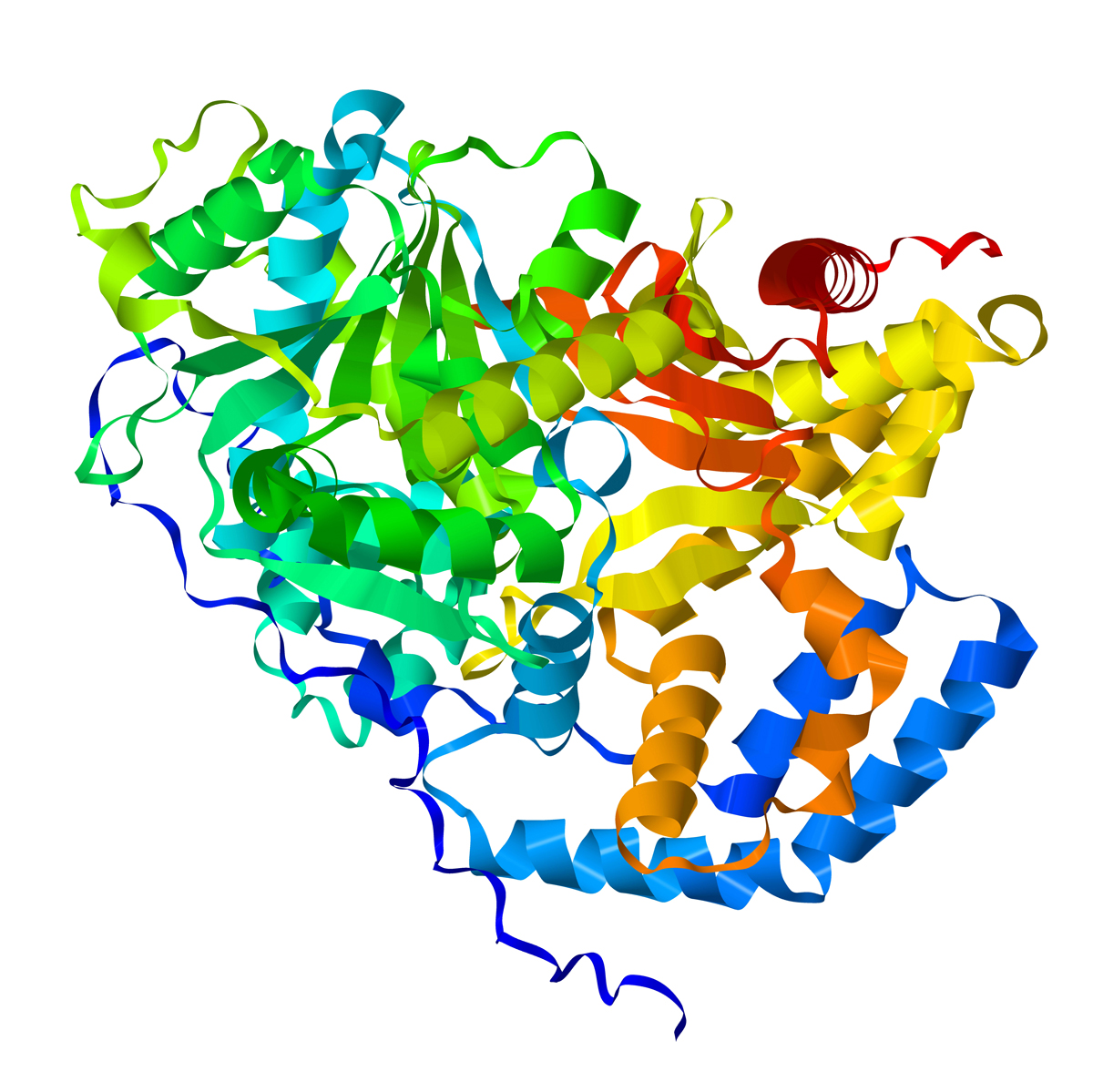
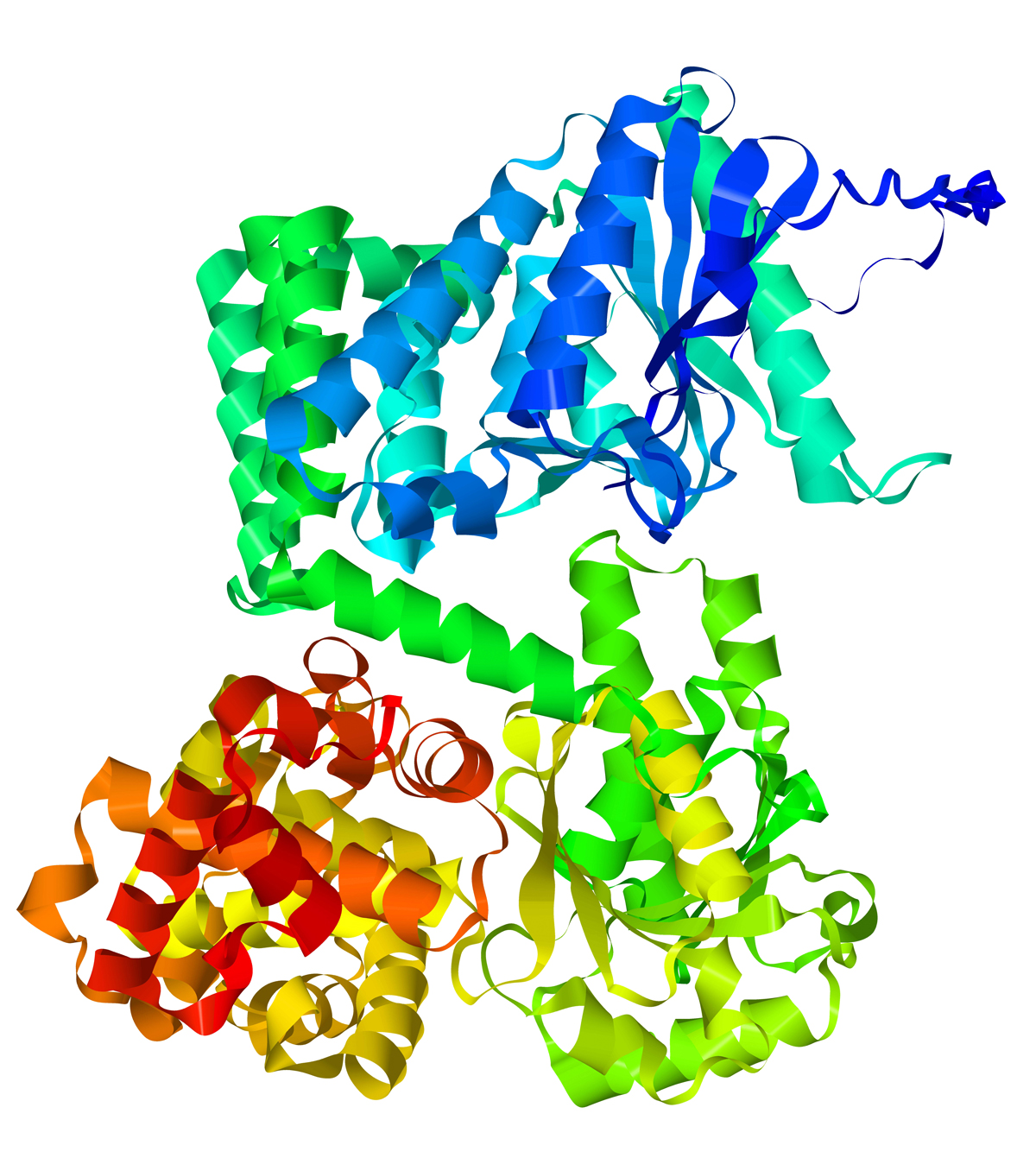
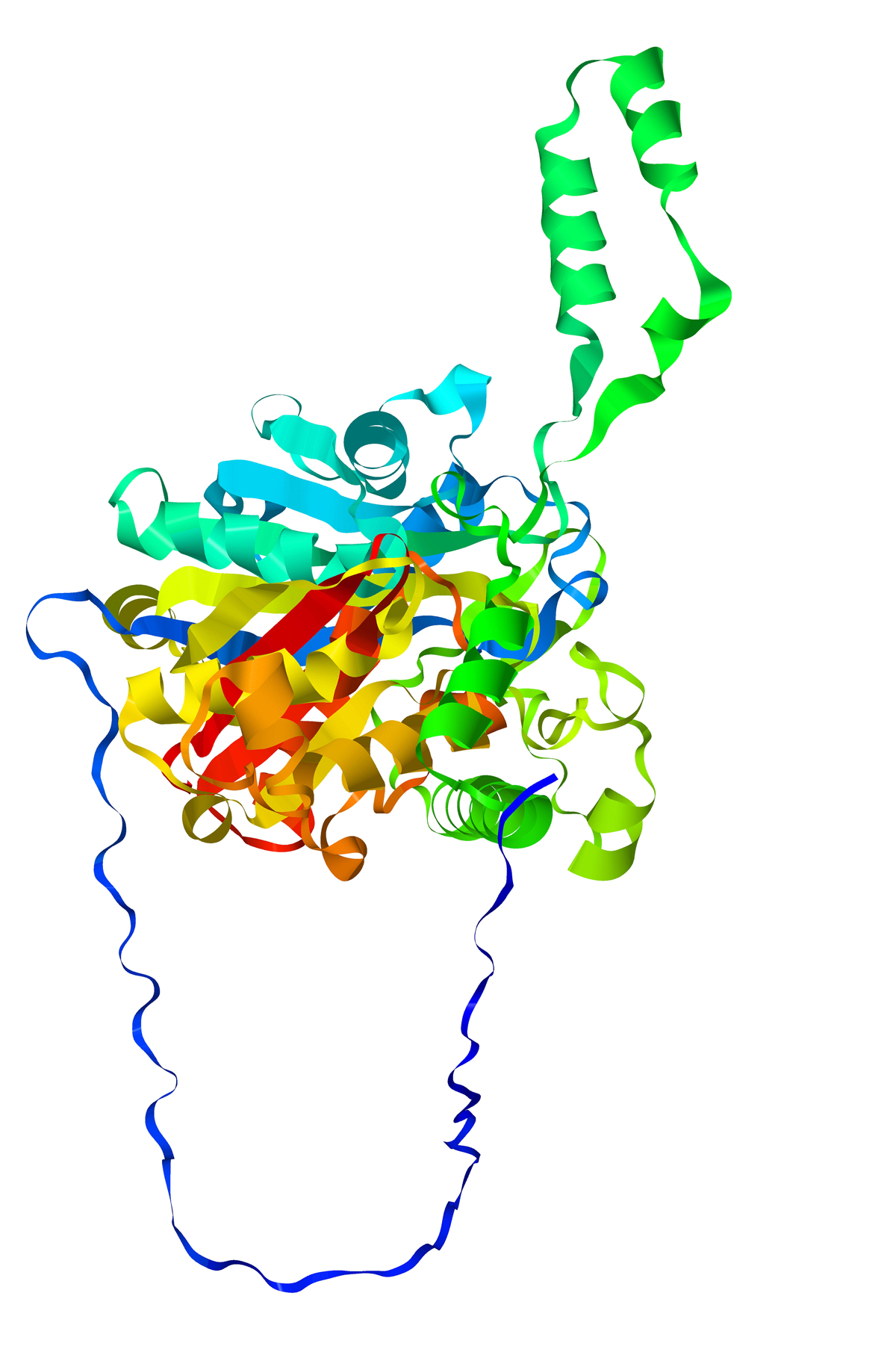
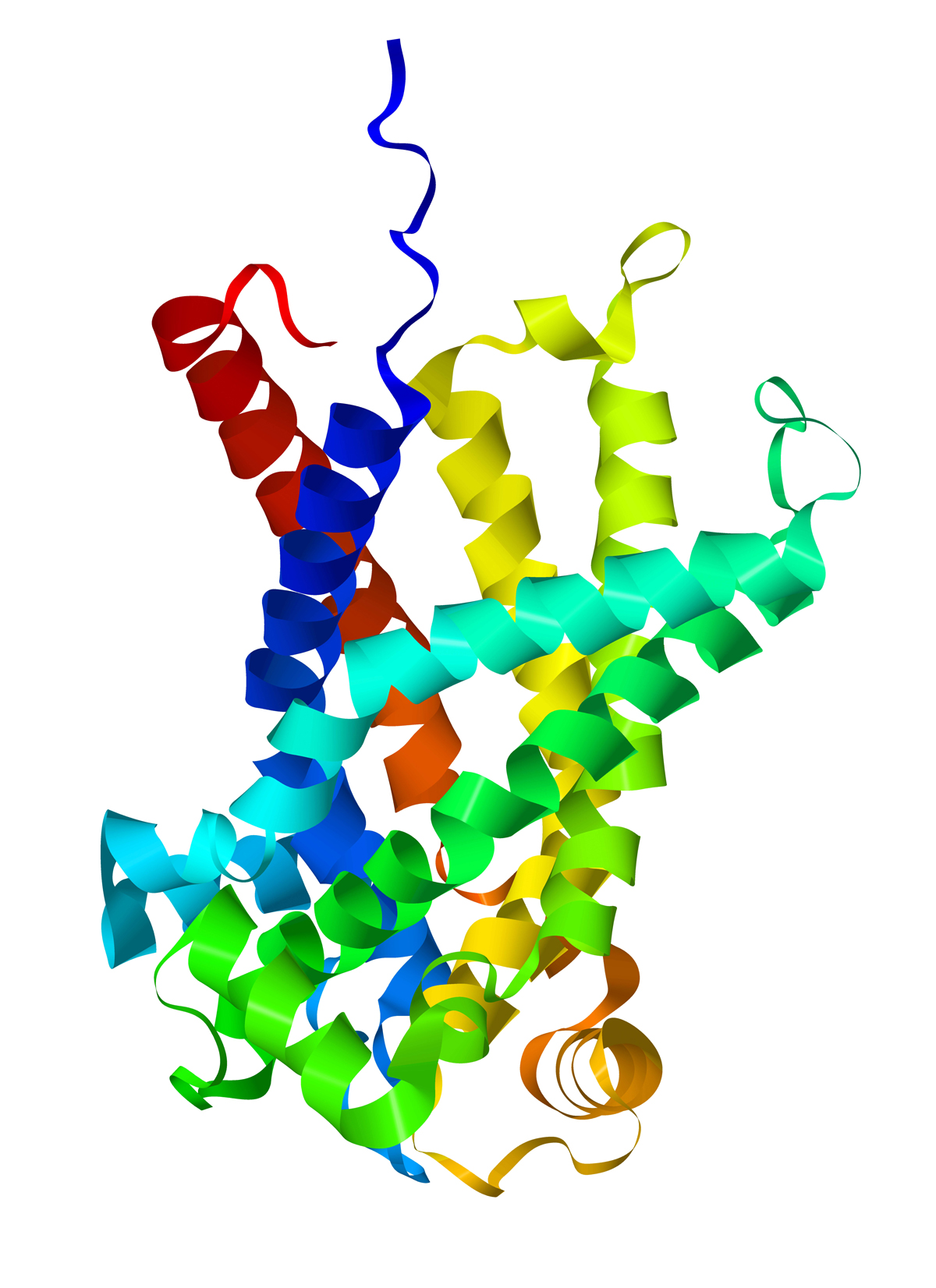
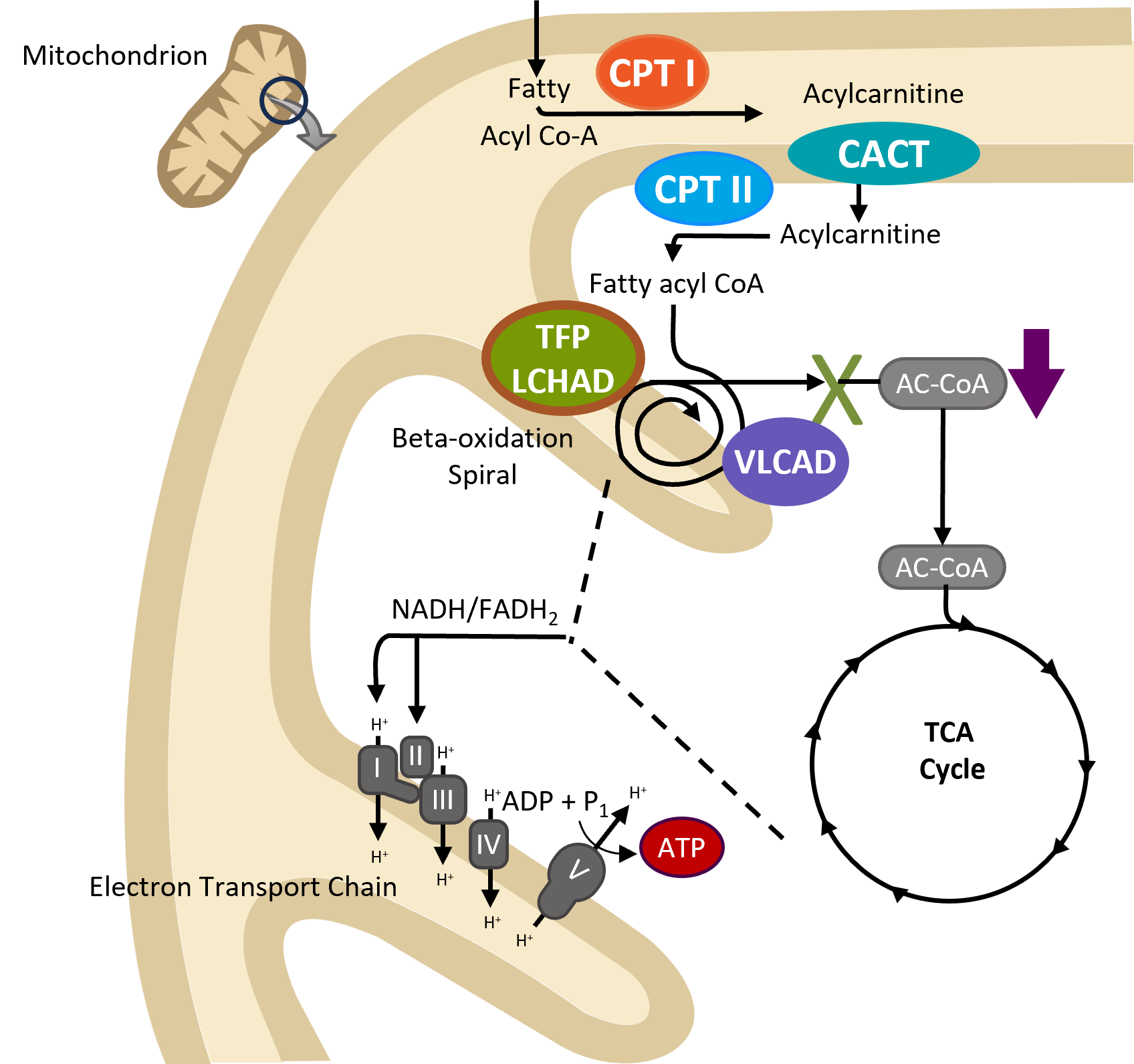
Long-chain fatty acid oxidation disorders (LC-FAOD) are a group of rare inborn errors of metabolism leading to serious consequences due to inability to convert long-chain fat into energy (1). LC-FAOD nuclear genes encode mitochondrial proteins necessary for energy production. There are 6 enzyme deficiencies associated with LC-FAOD.

Transport of fatty acids into cells and the fatty acid breakdown are necessary for energy production when sugar, or glucose, levels are low. Without this energy supply, people with LC-FAOD may have symptoms that include, but are not limited to muscle pain, muscle weakness, low blood sugar, and fatigue (2).
ACADVL

Very Long-Chain Acyl-CoA Dehydrogenase (VLCAD) Deficiency ​

Explore

CPT1A

Carnitine Palmitoyltransferase I (CPT I) Deficiency

Explore

CPT2

Carnitine Palmitoyltransferase II (CPT II) Deficiency

Explore

HADHA

Long-Chain 3-Hydroxyl-acyl-CoA Dehydrogenase (LCHAD) Deficiency, Trifunctional Protein (TFP) Deficiency

Explore

HADHB
Trifunctional Protein (TFP) Deficiency

Explore

SLC25A20

Carnitine-Acylcarnitine Translocase (CACT) Deficiency

Explore

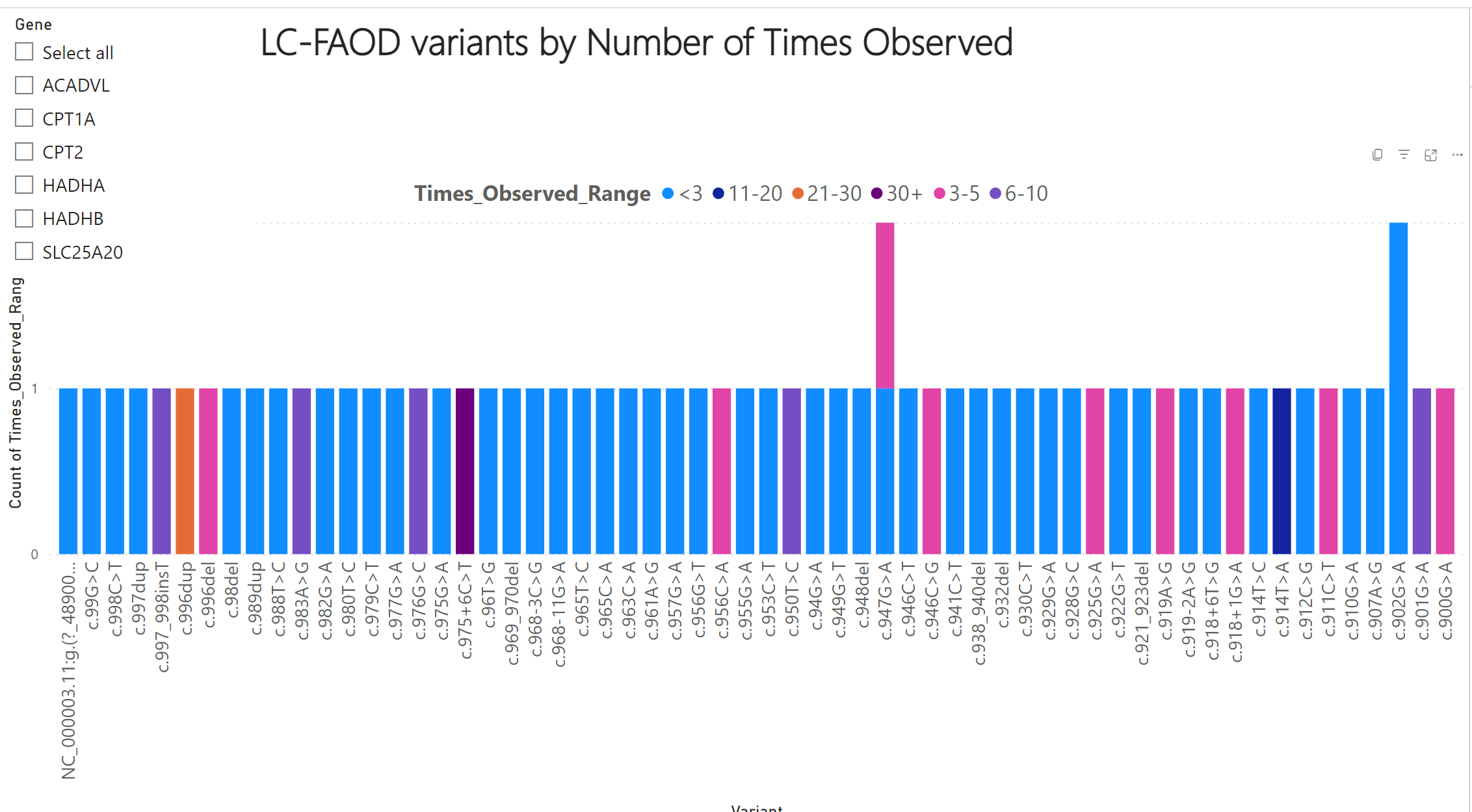
Explore the LC-FAOD genotypes​
Search by allele to find variants reported together. ​

  • Filter genotypes by gene


  • Variant phase is listed as cis, trans, or unknown for genotypes with 2 variants. For genotypes with >2 variants, phase is displayed as relationships between unique variants.
  • Don’t see a variant of interest? Contribute data through the Register Variant form.
  • Release Notes

    References:

  1. Merritt JL, et al. Rev Endocr Metab Disord. 2020;21:479-493.
  2. www.faodinfocus.com
  3. Vockley et al. Molecular Genetics and Metabolism v 116, (1-2), 2015, pp 53-60.

Give us a moment while we fetch the data.